Suburb Profiles
Karawatha (4117)
Owner-Occupier Appeal
Karawatha sits about 22 km south of Brisbane’s CBD and is one of the city’s least-developed suburbs. It’s dominated by the Karawatha Forest Park, one of the largest conservation reserves in Brisbane, meaning the residential footprint is tiny. Most of the housing is low-density and semi-rural, with acreage homes or small residential pockets near Trinder Park and Kuraby.
It appeals mainly to buyers seeking space, peace, and privacy rather than convenience - the kind of people who don’t mind being a bit isolated if it means backing onto bushland. There’s very little in the way of shops, cafés, or schools within the suburb itself, so most residents rely on neighbouring areas like Kuraby, Woodridge, and Stretton for daily needs.
Investor Appeal
From an investor’s point of view, Karawatha doesn’t offer much. The extremely low housing density, environmental overlays, and limited zoning for new dwellings make it difficult to buy or develop here. Rental demand is modest and mainly comes from families wanting extra space - not from city commuters or professionals.
While neighbouring suburbs like Stretton and Kuraby have seen steady price growth, Karawatha is constrained by planning protections and a small population base. It’s effectively a suburb that will stay the same - nice for owners, but not for yield or capital growth potential.
Key Suburb Features
-
![]()
Demographics
With fewer than a few hundred residents, Karawatha is one of Brisbane’s smallest and quietest suburbs. The population is made up largely of long-term owner-occupiers and families who value privacy and bushland surroundings. There’s a small multicultural mix drawn from nearby Logan suburbs, but it’s not a high-turnover area.
-
![]()
Distance to City
Karawatha is around 22 km from Brisbane’s CBD. The nearest train stations are Trinder Park or Kuraby (both about a 5–10 minute drive), offering access to the Beenleigh line. Travel time to the city by train is roughly 40 minutes. By car, it’s 30–40 minutes off-peak via the Gateway or Logan Motorway.
-
![]()
Suburb Projects & Growth Potential
There’s minimal development activity in Karawatha due to strict environmental protections tied to the forest reserve. Growth here is mostly driven by external factors - nearby infrastructure projects in Logan and the Gateway Motorway corridor - rather than local development.
If you’re banking on major transformation, it’s unlikely. Karawatha’s future is essentially to remain a green buffer between Brisbane and Logan - a good thing for nature, not so much for property investors.
-
![]()
Flood Risk
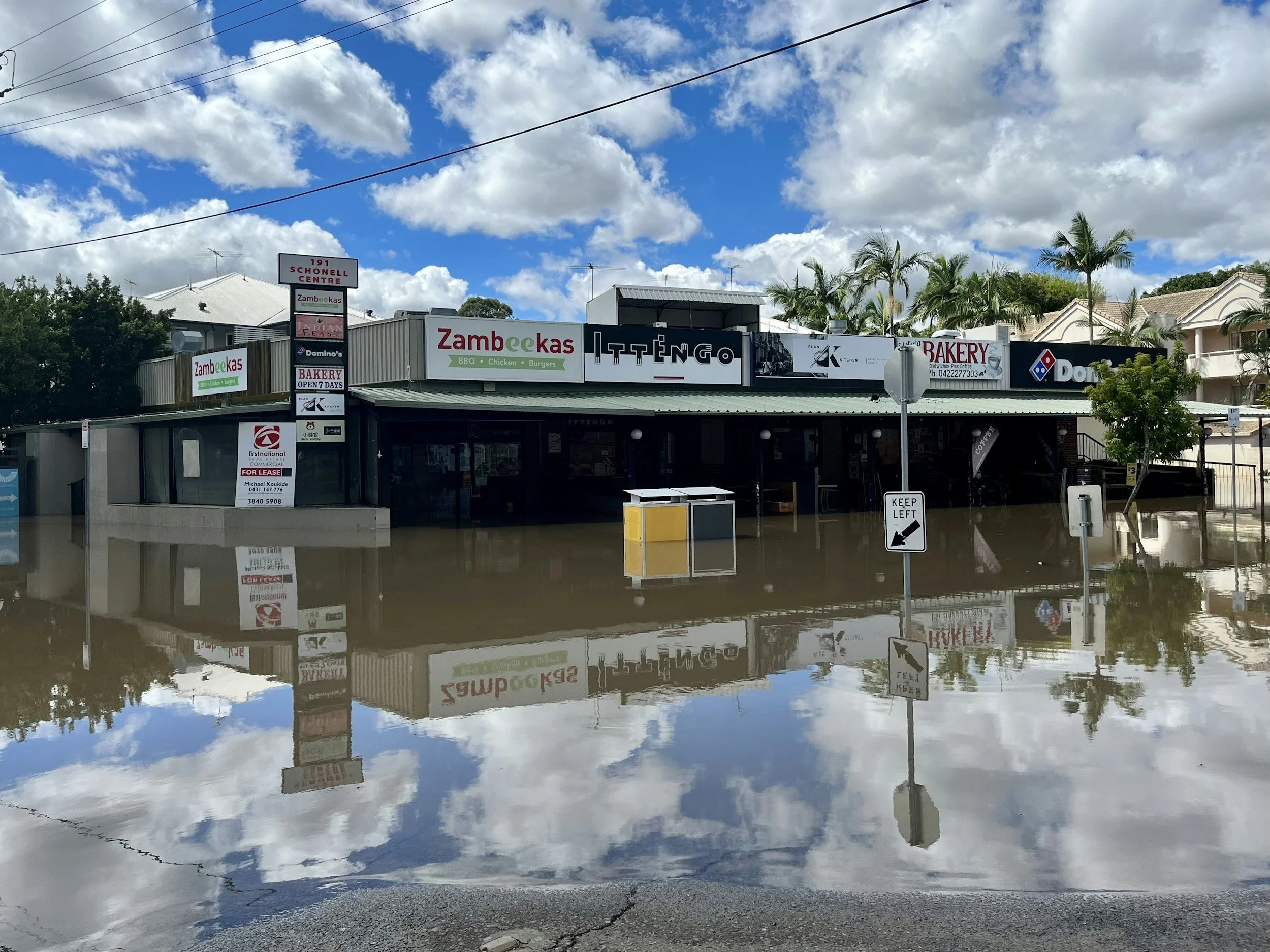
Most of Karawatha sits on elevated or forested terrain and is generally safe from flooding. Some localised overland flow can occur near creek lines and natural gullies, but large-scale flooding isn’t a major concern here.
-
![]()
Best Buy in the Suburb
House: Acreage property near the forest edge with modern updates - ideal for families who value privacy and nature.
Townhouse/Unit: None available; Karawatha is entirely low-density residential.
Karawatha is a funny one - it barely feels like a suburb, more like a pocket of bushland with a few streets tucked around the edges. I can see the appeal if you love privacy and peace, but for most buyers, it’s simply too inconvenient. There’s no café culture, no schools, no local centre - just space and forest.
I don’t see it taking off or changing much. It’s a great spot for acreage lovers, but investors and everyday commuters are better off looking in neighbouring suburbs like Kuraby or Stretton. Karawatha will always be quiet, green, and under the radar - and that’s probably exactly how locals like it.